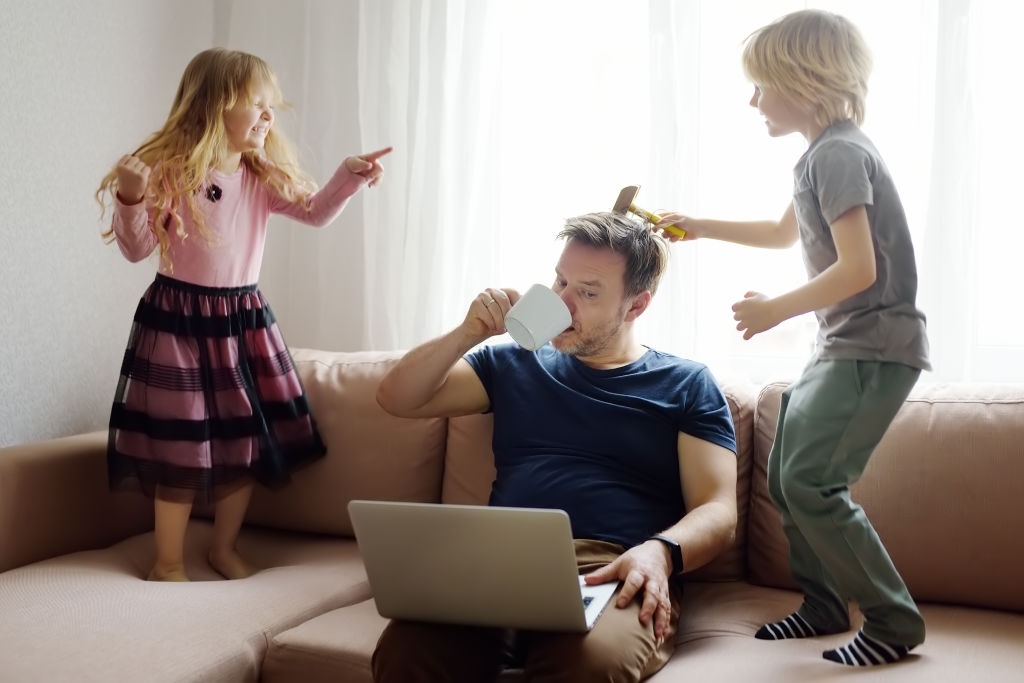
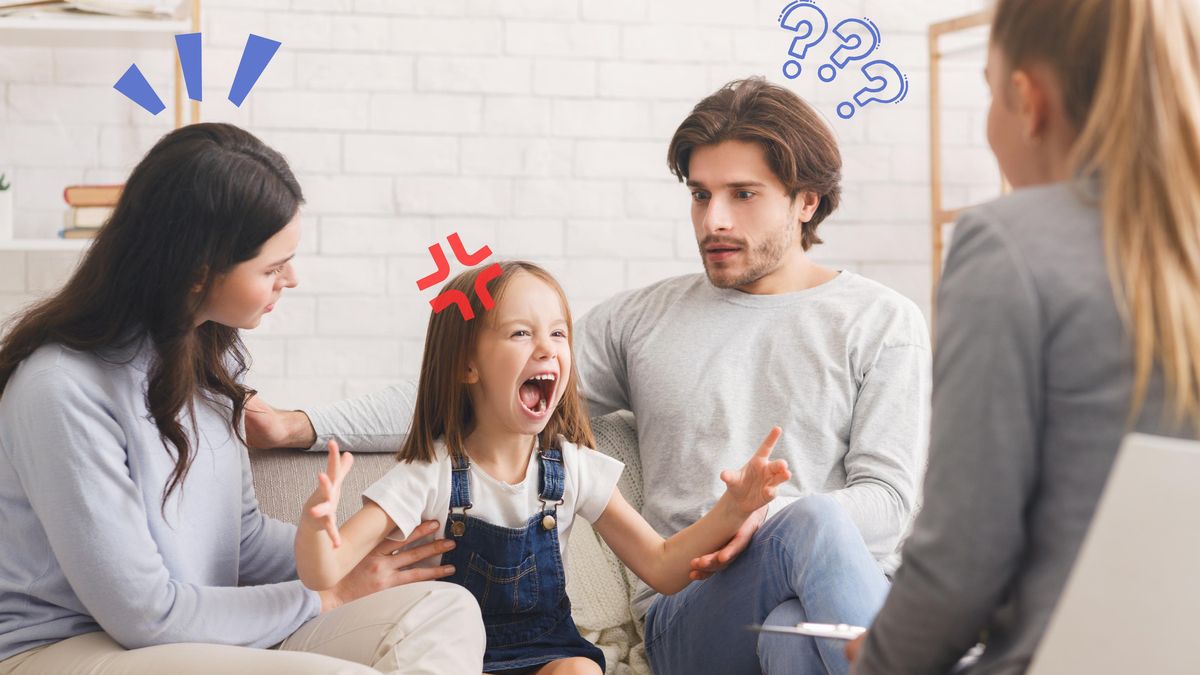
An overwhelmed parent who snaps during a meltdown. A teenager growing more aggressive at home. A perfectionist mother on the edge of burnout. These situations share a common, often invisible thread: how parents handle their own emotions. Research has confirmed this for years now. What parents do with their emotions shapes the whole family’s life, and it can be learned.
Parental emotional intelligence is passed on to children
When a parent gets better at identifying, understanding, expressing, and regulating their emotions, their children develop stronger emotional skills too, years later. Une étude menée avec un test de performance, et non un simple questionnaire, confirme ce lien.The connection is especially strong on the maternal side. A father’s emotional intelligence matters less in the balance, except when the mother’s is lower: in that case, his takes over.
In short, what parents practice day to day, children absorb.
Children with better mental health
A systematic review pooling eight studies shows that children and teens of emotionally competent parents adapt better to their environment. They report better quality of life, fewer internalizing symptoms (depressive and anxious affect, somatization), and fewer externalizing symptoms (agitation, aggression).
Less aggression in teens
Parental emotional intelligence doesn’t magically erase teenage aggression. It works indirectly, through parenting style. Emotionally competent parents lean more toward an “authoritative” style, combining parental warmth with clear boundaries, and less toward authoritarianism. The result: less physical and verbal aggression, less anger and hostility in teens.
Changing your own emotional regulation changes how you parent. And that, in turn, changes how your teenager regulates themselves.
A shield against parental burnout
Emotional intelligence also lowers the risk of parental burnout. Better still, it softens the effect of several known risk factors. Parental perfectionism, for instance, raises burnout risk. Two studies show that emotional intelligence strongly buffers this effect.
It also plays a protective role once burnout has set in. Parental burnout increases the risk of violence toward children. Among emotionally competent parents, this effect is clearly reduced, though not fully eliminated.
Emotional intelligence training makes a real difference
Short programs focused on listening, validation, and emotion socialization improve parents’ emotional management. They reduce family conflict and lower internalizing and externalizing symptoms in young people. The effects show up in everyday interactions, not just good intentions.
Training in emotional intelligence can set off a virtuous cycle. The better you listen to and regulate your emotions, the better you feel. Your children learn to do the same. Burnout risk drops. And family life becomes calmer, for everyone in it.
Train in emotional intelligence
Are you a mental health, healthcare, or education professional supporting parents day to day? TIPH offers a certified training program on developing emotional intelligence (available in French), with accreditation. To go further on the concept, emotional skills also play a key transdiagnostic role beyond the parenting context alone.
Sources
Batool, S. S., & Bond, R. (2015). Mediational role of parenting styles in emotional intelligence of parents and aggression among adolescents. International journal of psychology, 50(3), 240-244. Cabello, R., Gómez-Leal, R., Gutiérrez-Cobo, M. J., Megías-Robles, A., Salovey, P., & Fernández-Berrocal, P. (2023). Ability emotional intelligence in parents and their offspring. Current Psychology, 42(4), 3054-3060. González, M. R., Primé-Tous, M., Bondelle, E. V., Vázquez-Morejón, A., Santamarina, P., Morer, A., & Lázaro, L. (2021). Parents’ emotional intelligence and their children’s mental health: A systematic review. Journal of Psychiatry and Psychiatric Disorders, 5(2), 58-75. Havighurst, S. S., Kehoe, C. E., & Harley, A. E. (2015). Tuning in to teens: Improving parental responses to anger and reducing youth externalizing behavior problems. Journal of adolescence, 42, 148-158. Kehoe, C. E., Havighurst, S. S., & Harley, A. E. (2014). Tuning in to teens: Improving parent emotion socialization to reduce youth internalizing difficulties. Social Development, 23(2), 413-431. Lin, G. X., Szczygieł, D., Hansotte, L., Roskam, I., & Mikolajczak, M. (2023). Aiming to be perfect parents increases the risk of parental burnout, but emotional competence mitigates it. Current Psychology, 42(2), 1362-1370. Lin, G. X., Szczygieł, D., & Blanchard, M. A. (2025). The interplay between parental perfectionism, emotional intelligence, and parental burnout. Personality and Individual Differences, 240, 113148. Mikolajczak, M., Aunola, K., Sorkkila, M., & Roskam, I. (2023). 15 years of parental burnout research: Systematic review and agenda. Current Directions in Psychological Science, 32(4), 276-283. Schittek, A., Szczygieł, D., Roskam, I., & Mikolajczak, M. (2026). The Relationship Between Parental Burnout and Child Maltreatment: The Moderating Role of Emotional Intelligence. Journal of Family Violence, 1-9. Turk, B. A. (2020). The relationship of coping style and emotional intelligence on parental burnout (Doctoral dissertation, Northcentral University).
By Moïra Mikolajczak, Docteure en psychologie et professeure à l’UClouvain